
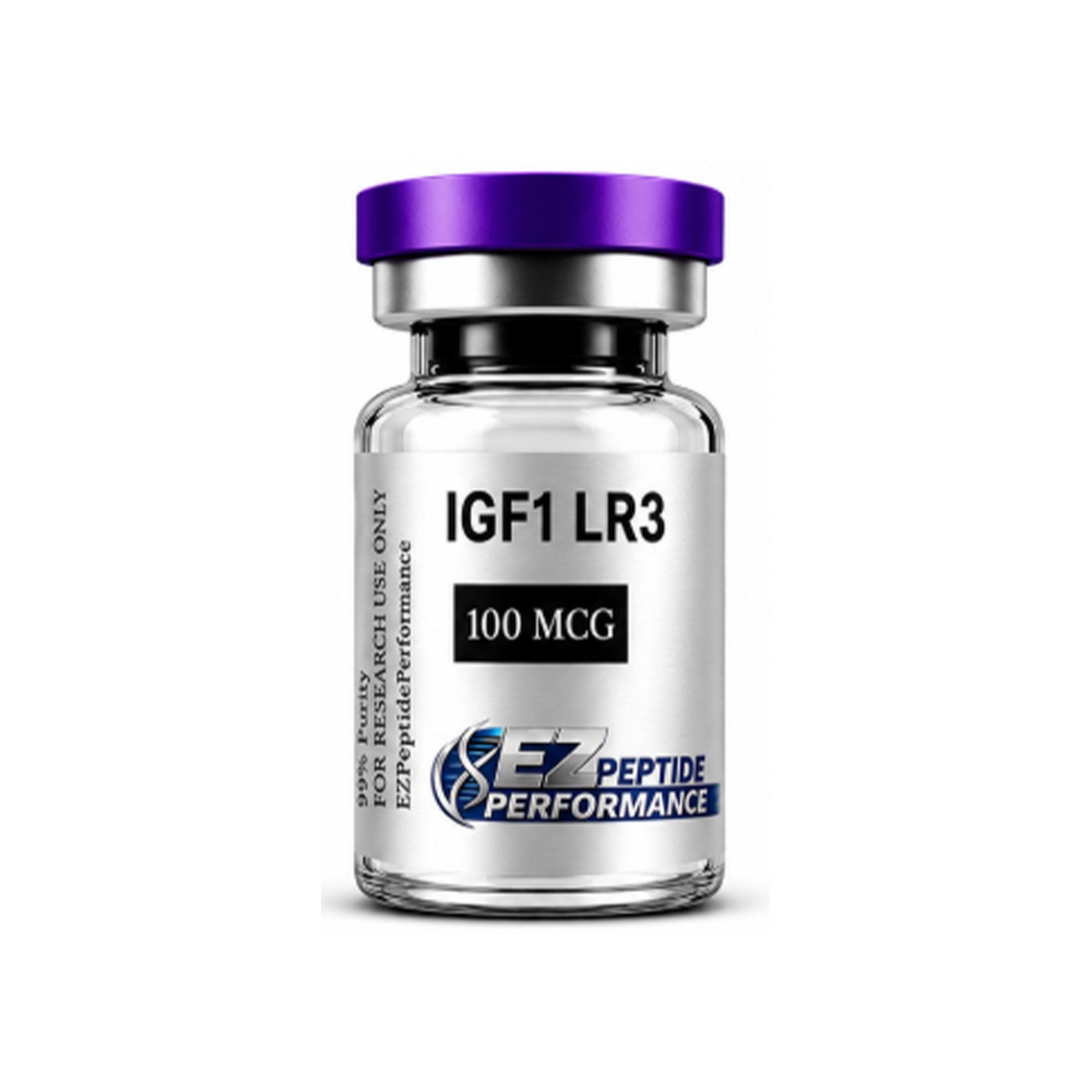
The biological significance of these modifications lies in IGF-1’s relationship with its binding proteins. In physiological conditions, the majority of circulating IGF-1 is bound to IGFBPs rendering it biologically inactive and limiting its receptor engagement. By dramatically reducing IGFBP affinity, IGF-1 LR3 maintains a far greater proportion of its active, unbound form in research systems, enabling more complete and sustained IGF-1 receptor engagement than equivalent concentrations of native IGF-1 would achieve. This translates directly into enhanced research signal clarity and more robust, reproducible experimental outcomes.
IGF-1 LR3 signals primarily through the IGF-1 receptor (IGF-1R) a receptor tyrosine kinase that activates the PI3K/Akt and MAPK/ERK signaling cascades governing cellular proliferation, differentiation, survival, and metabolic regulation. These pathways are among the most extensively studied in cell biology, oncology, and metabolic science positioning IGF-1 LR3 as a central research tool across multiple high-priority scientific disciplines.
Research applications include cellular proliferation and differentiation signaling studies, IGF-1 receptor binding kinetics and downstream pathway investigations, skeletal muscle protein synthesis and hypertrophy mechanism research, glucose metabolism and insulin signaling crosstalk studies, IGF-binding protein interaction and displacement research, cancer biology and tumor growth factor pathway investigations, and anti-aging and cellular senescence mechanism studies.
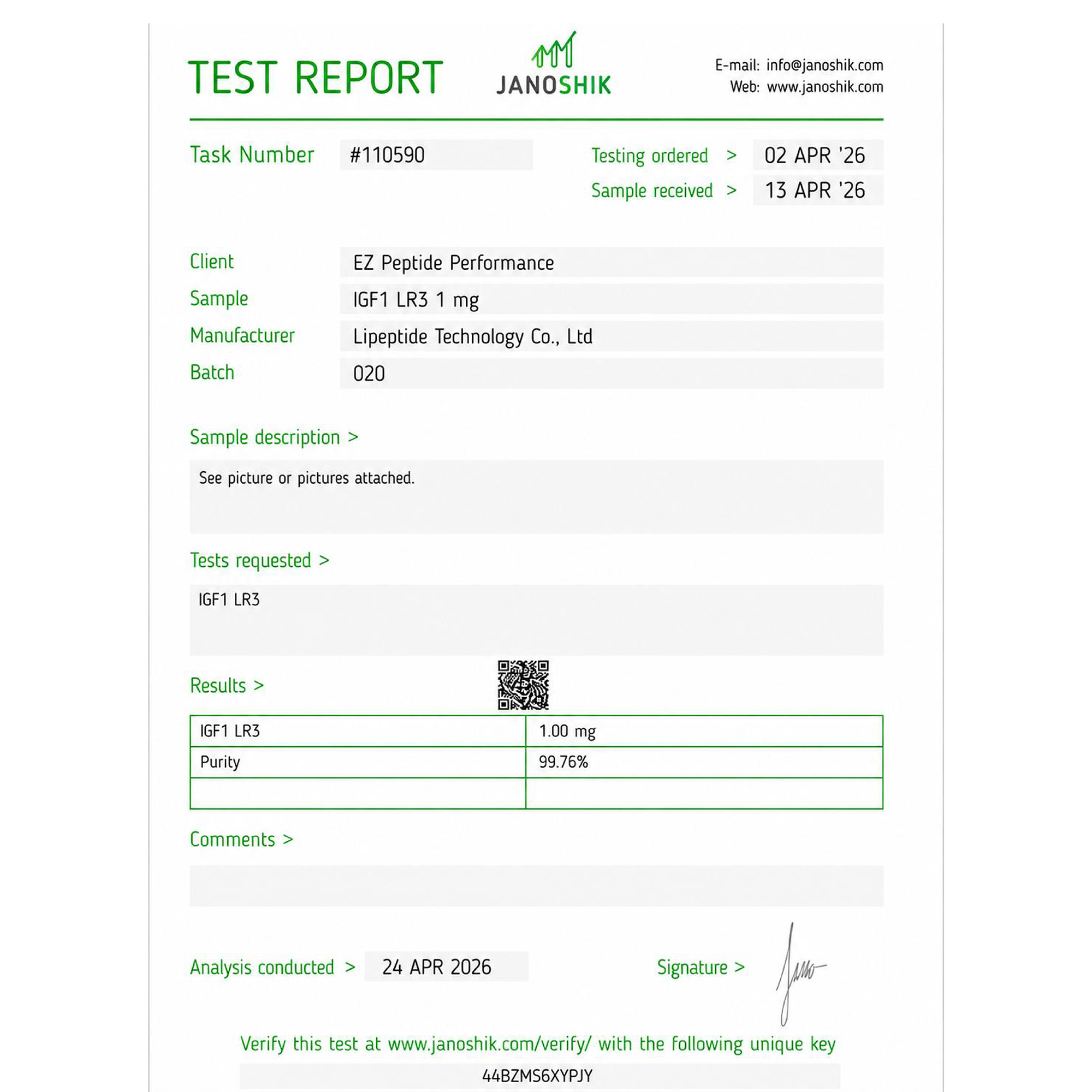
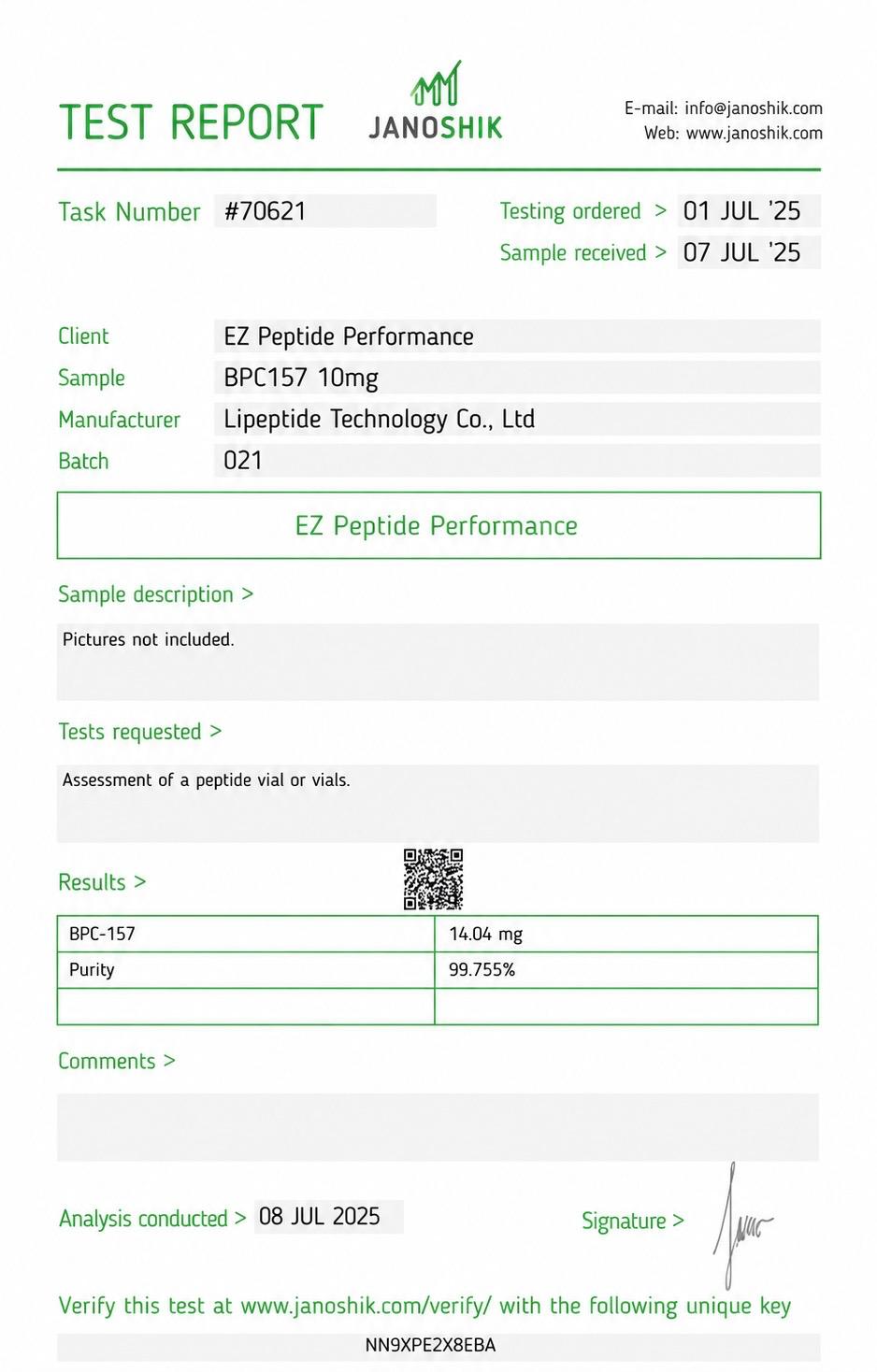
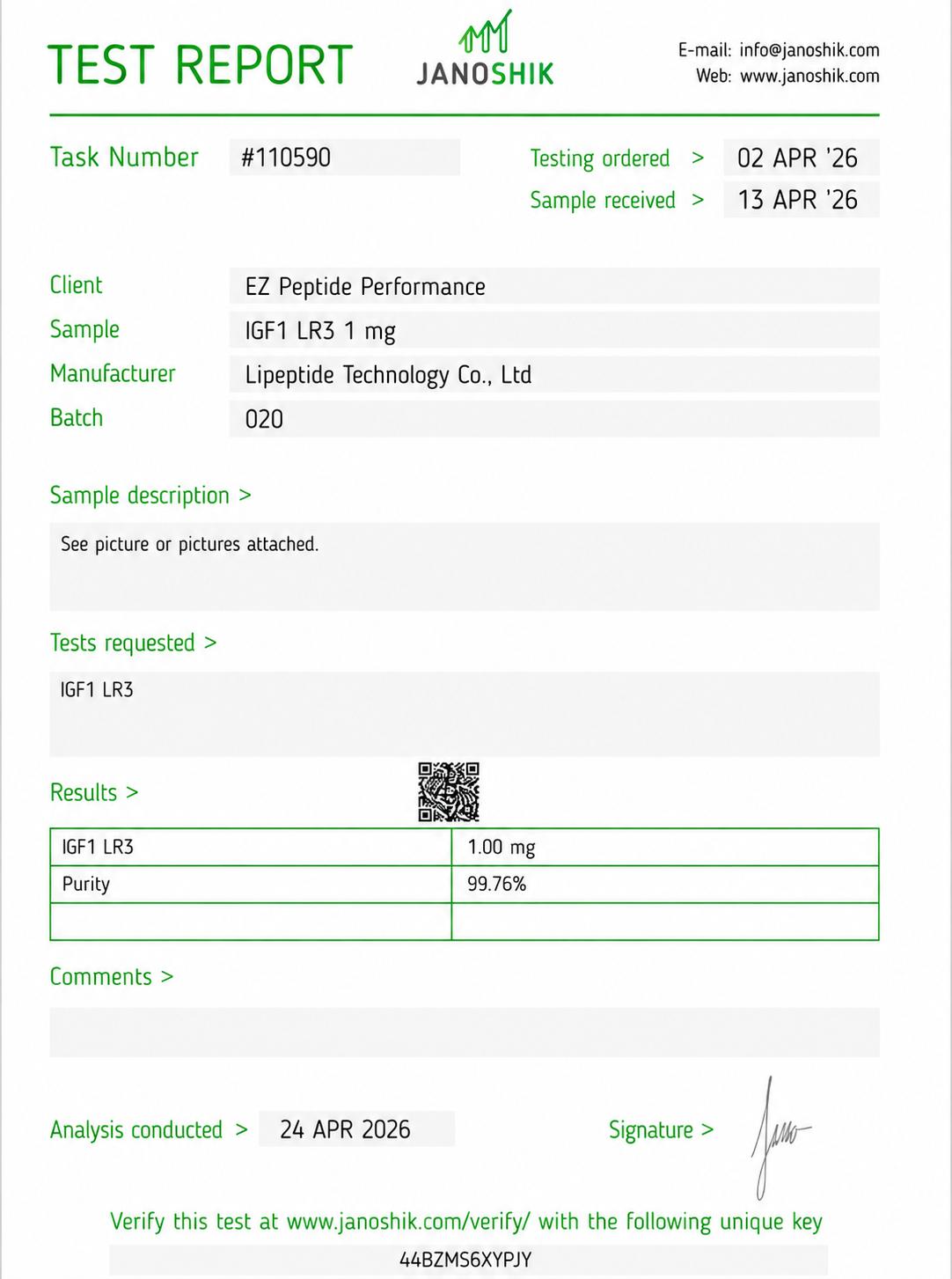
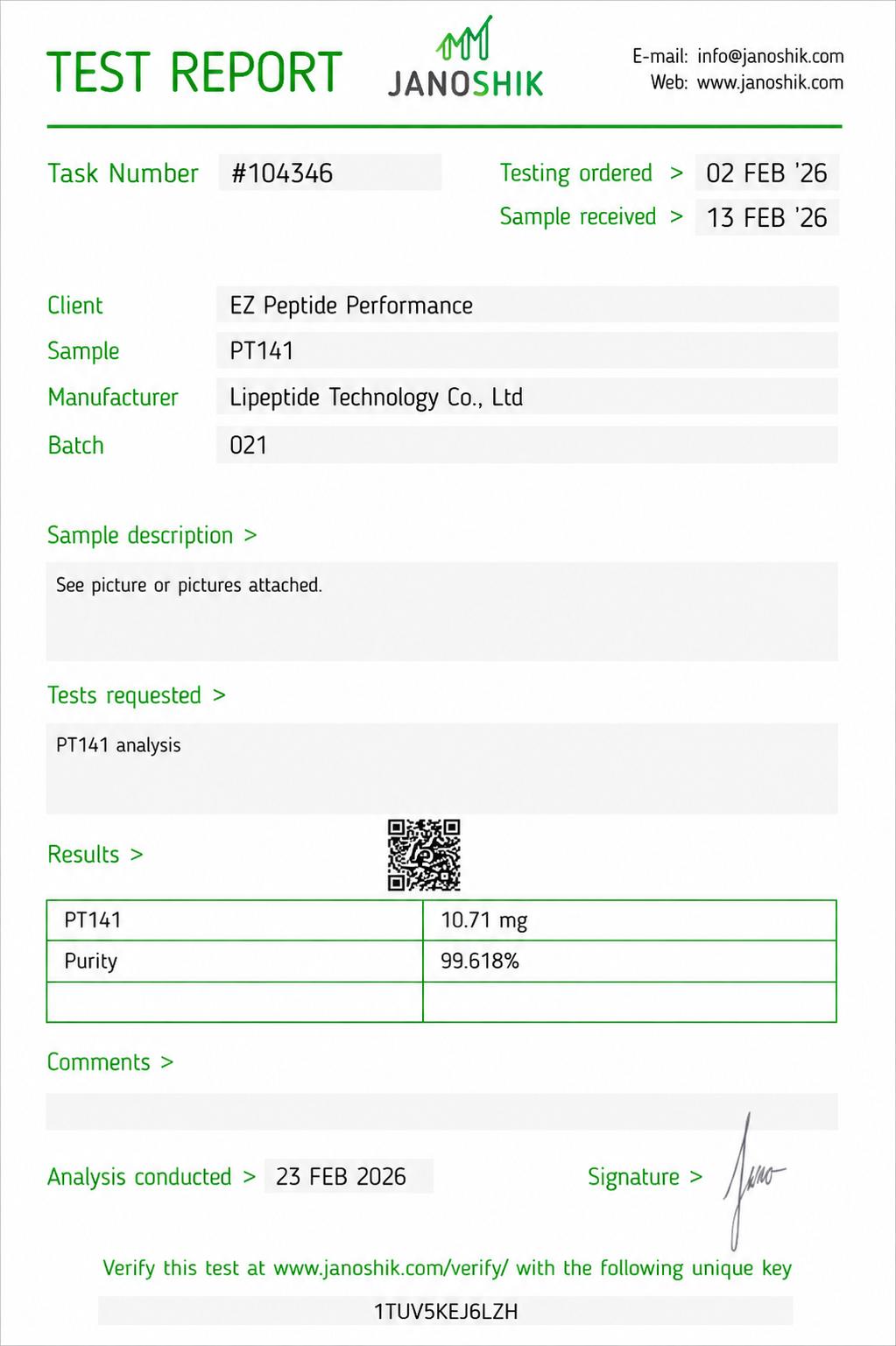
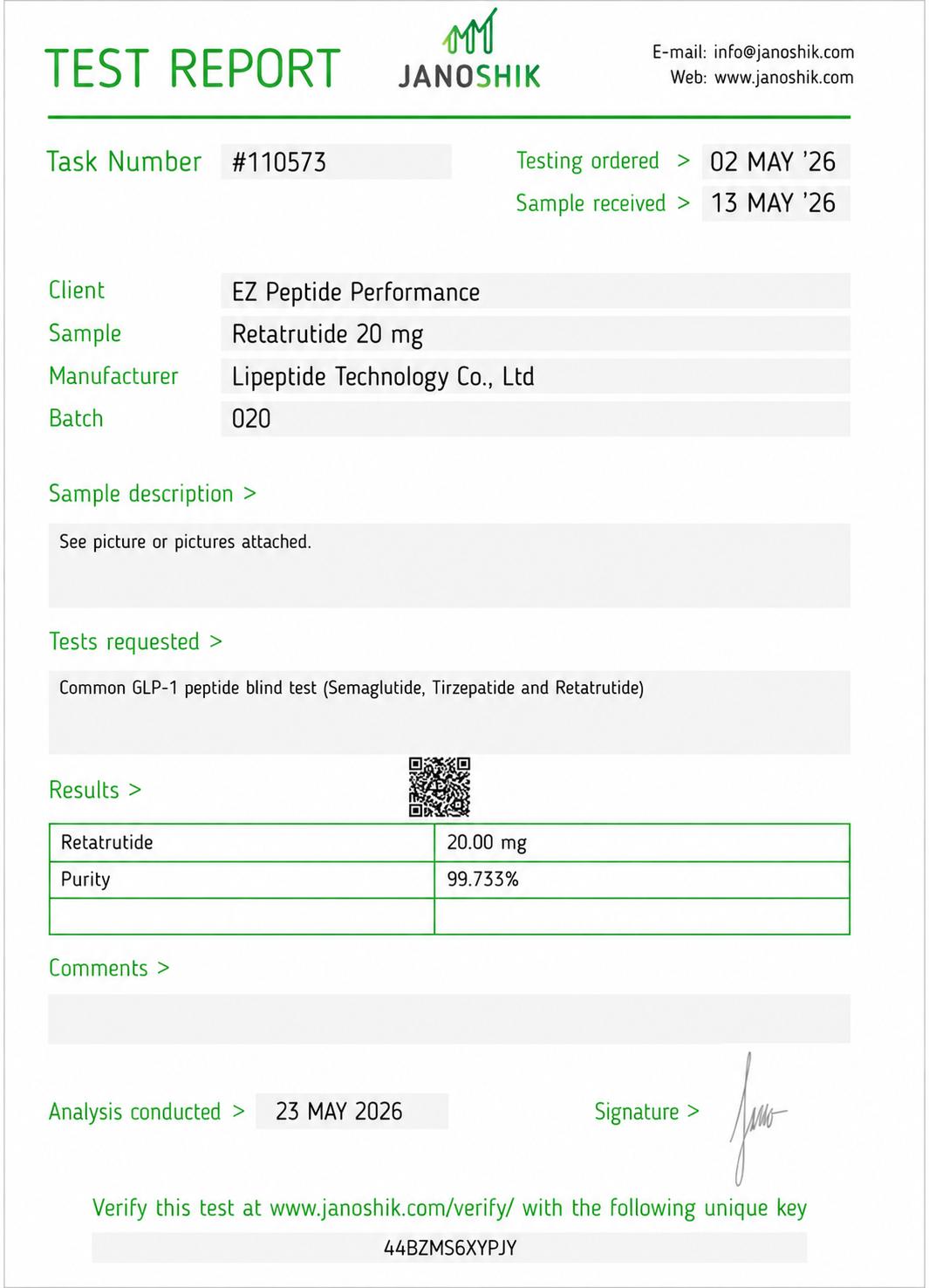
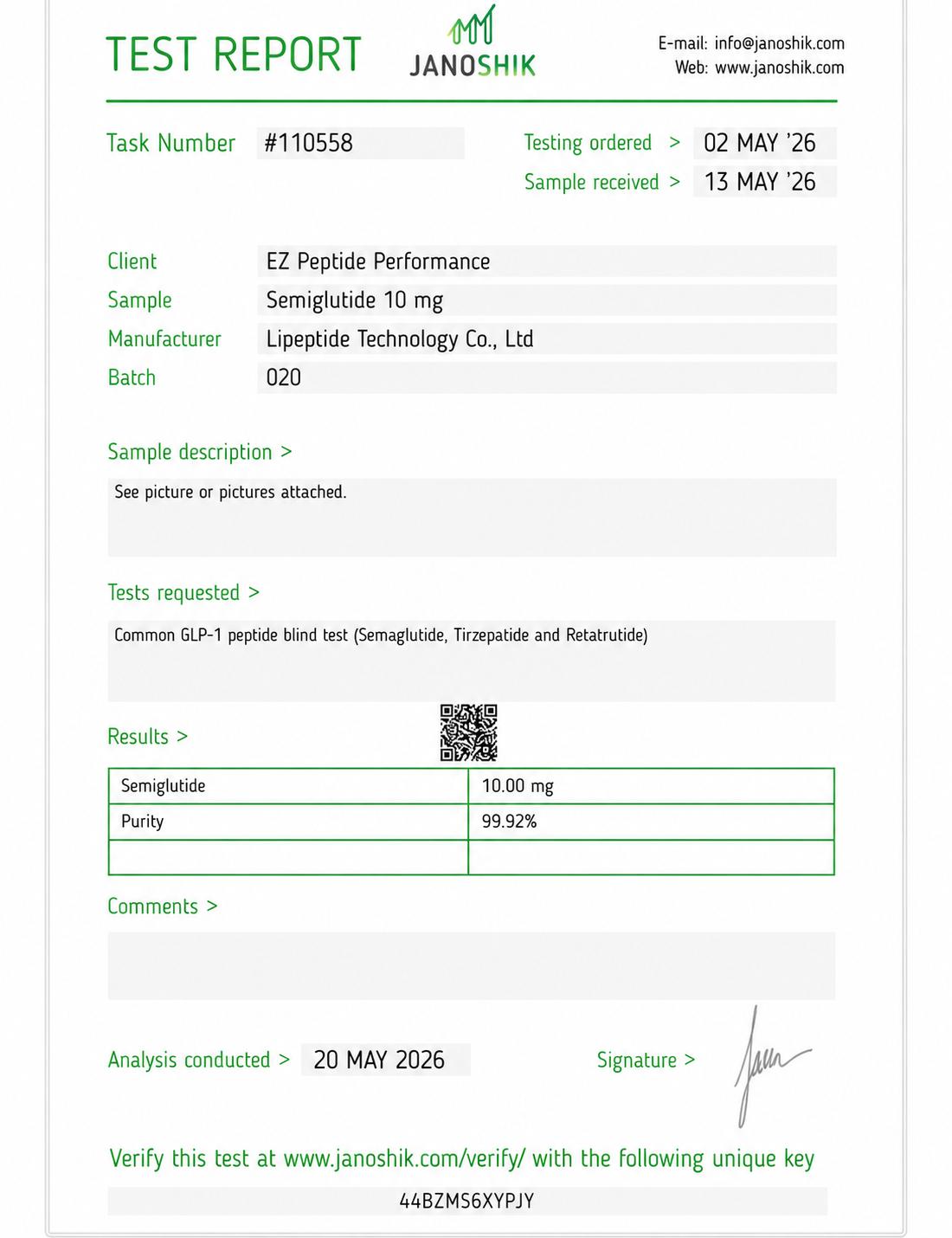
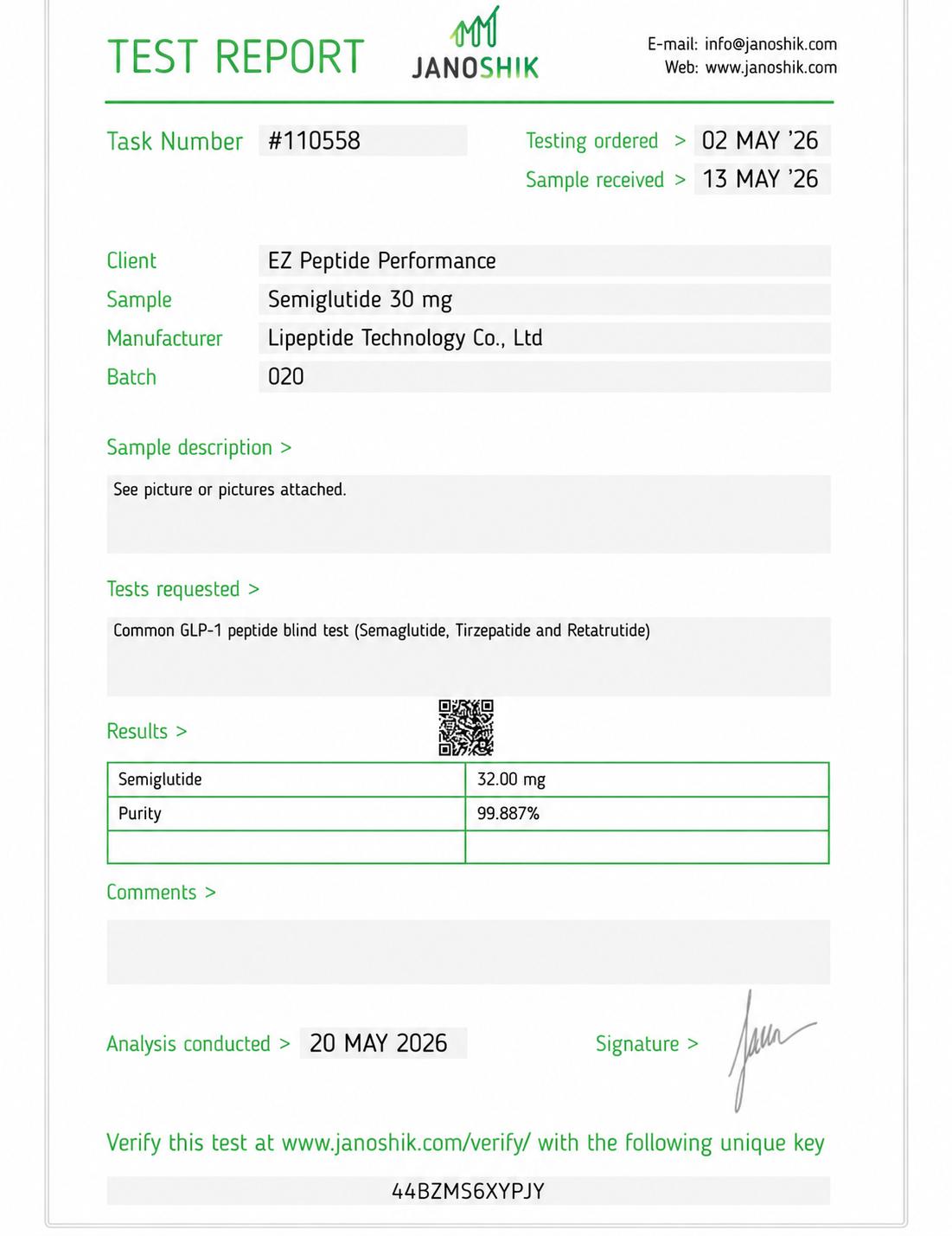
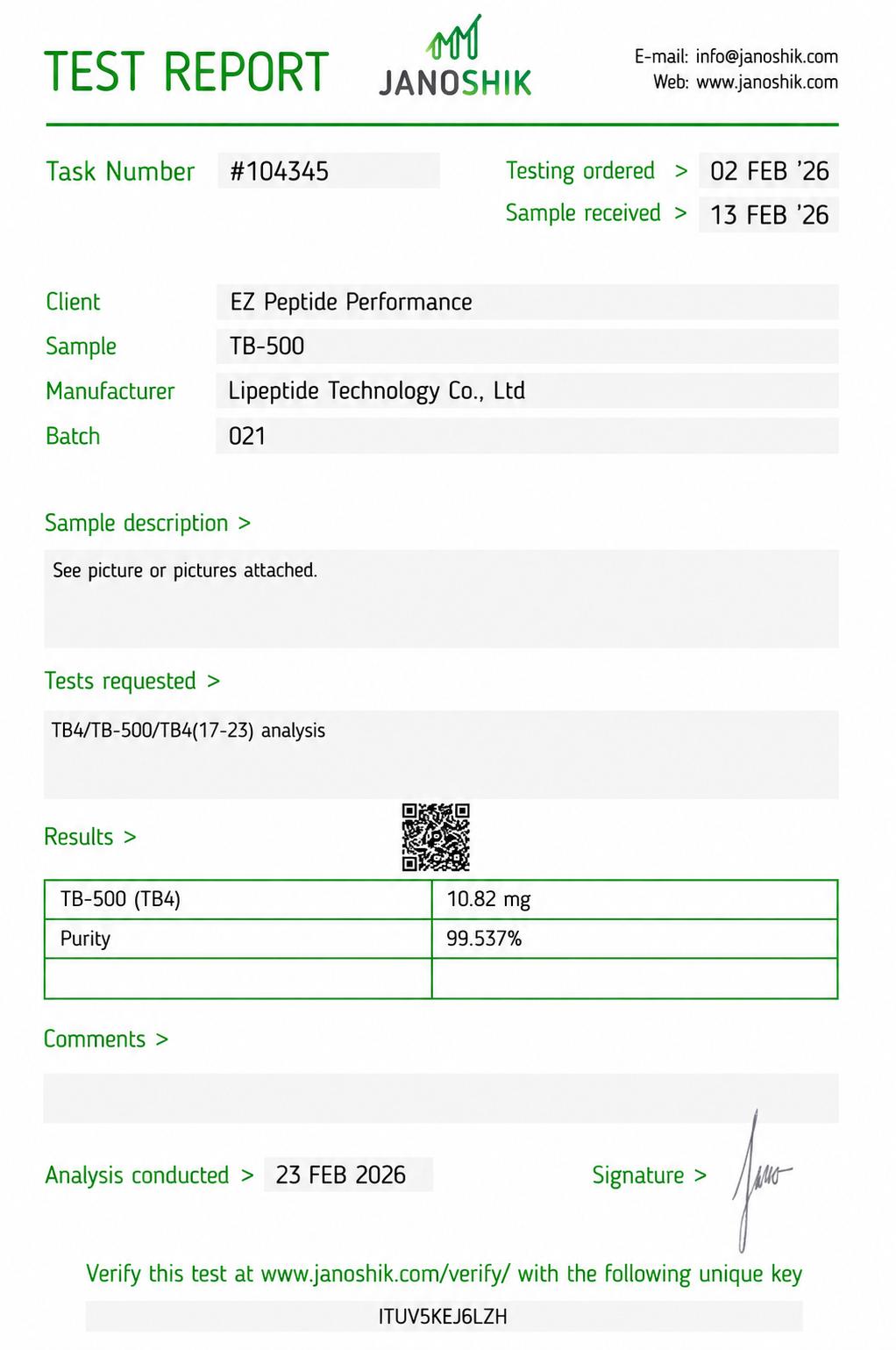
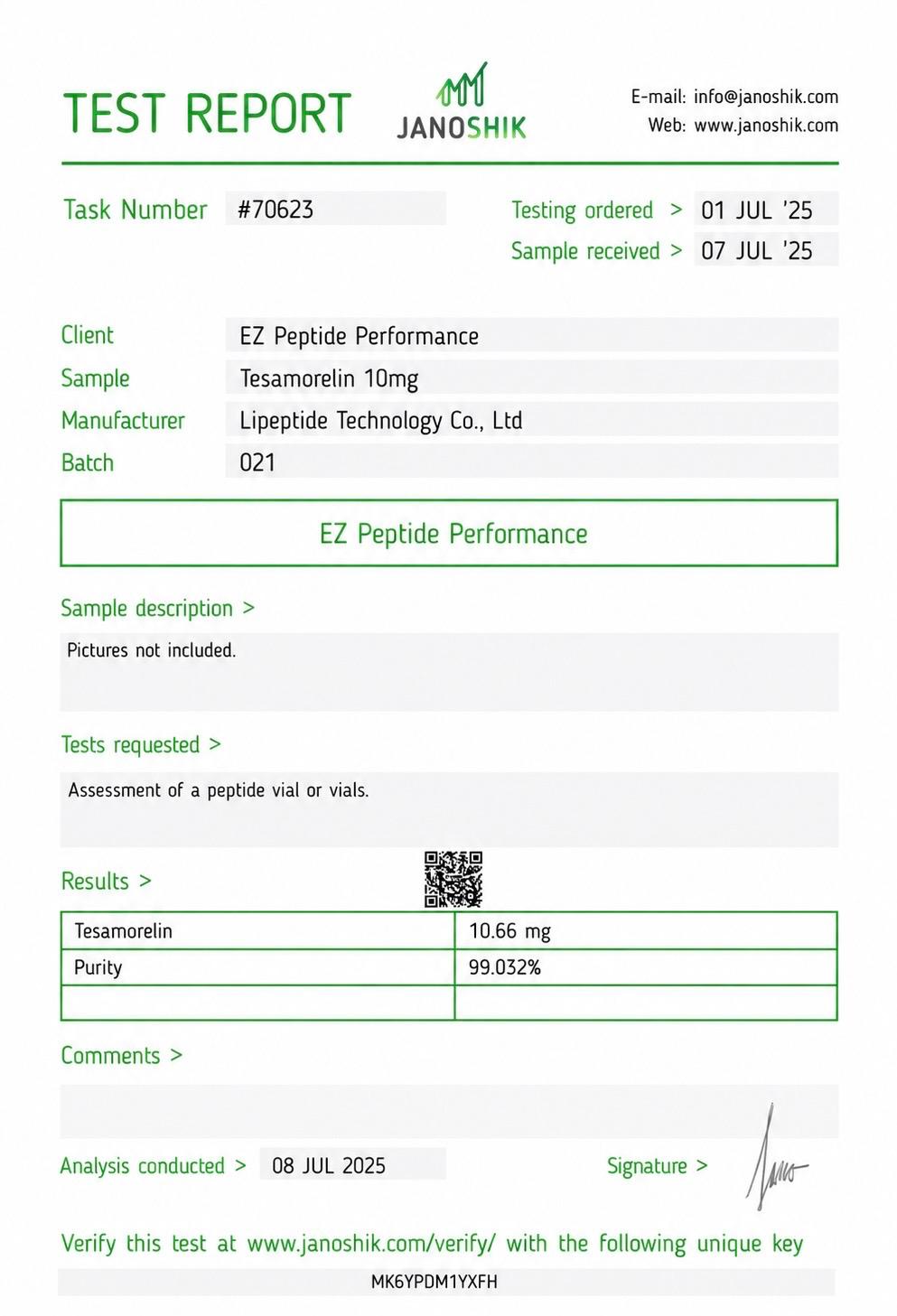
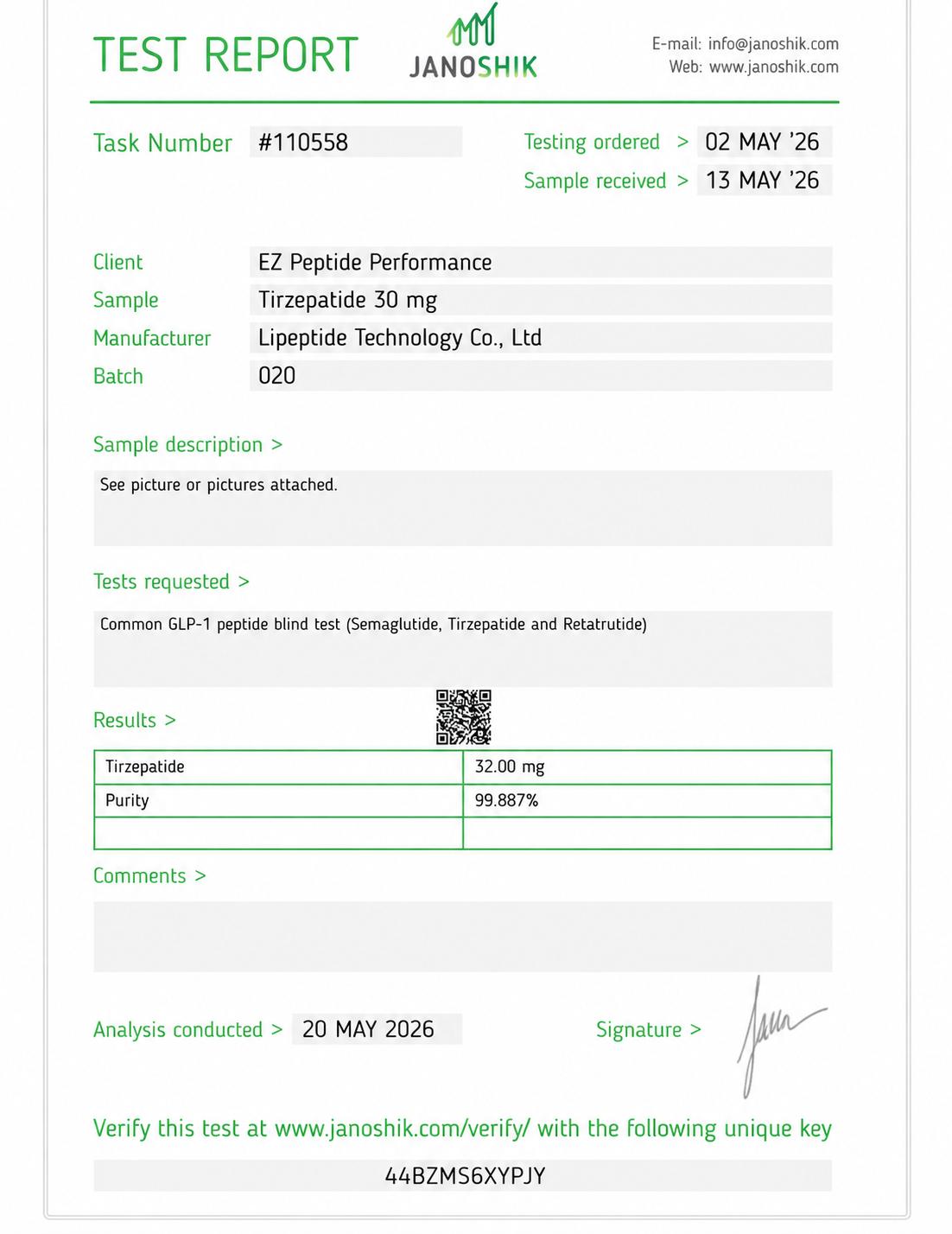
Every vial is independently third-party tested via HPLC and mass spectrometry, with complete COA documentation confirming structural accuracy and 99%+ purity.
Molecular Formula: C₄₀₀H₆₂₅N₁₁₁O₁₁₅S₉
Molecular Weight: 9,117.58 g/mol
Storage: Lyophilized at −20°C | Reconstitute under sterile conditions
FOR RESEARCH USE ONLY
Todd Davis –
If you are researching packing on lean muscle, try this!
Admin –
The product arrived well presented with clear identification and research-only labeling. The specifications were easy to understand and review.
Admin –
I appreciated the clean packaging and transparent product details. Everything from the concentration information to the research documentation was organized clearly.
Admin –
A professionally presented research product with straightforward labeling. The available batch and testing information added useful transparency when reviewing the product.