
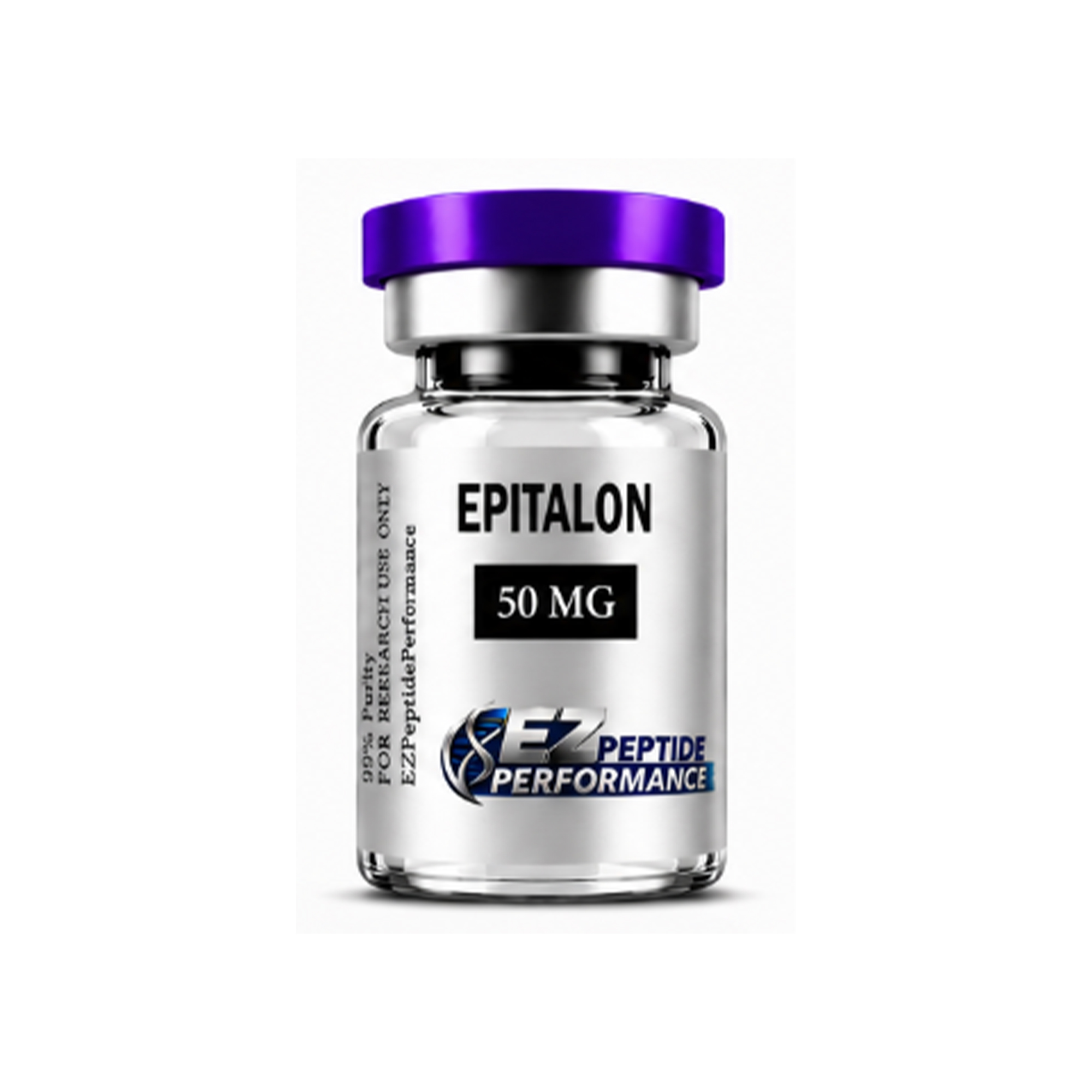
Epitalon’s primary mechanism of scientific interest involves its documented capacity to stimulate telomerase activity, the enzyme responsible for maintaining and restoring telomere length at chromosome ends. Telomeres are protective nucleoprotein structures that shorten progressively with each cell division cycle, and this shortening is widely recognized as a fundamental biological clock of cellular aging. By activating telomerase, Epitalon has demonstrated in research settings the capacity to elongate telomeres in somatic cells a finding with profound implications for cellular aging, replicative senescence, and longevity biology research.
Beyond telomerase activation, Epitalon has been investigated for its regulatory influence on the pineal gland and melatonin secretion, its antioxidant and free radical scavenging activity, its modulation of hypothalamic-pituitary axis function, and its influence on circadian rhythm regulation through neuroendocrine pathways. Its broad biological activity across aging-relevant mechanisms has established it as a cornerstone compound in geroscience research.
Research applications include telomere length regulation and telomerase activation studies, cellular aging and replicative senescence mechanism research, pineal gland function and melatonin regulation investigations, antioxidant defense pathway studies, circadian rhythm and neuroendocrine regulation research, DNA repair mechanism investigations, and longevity biology and lifespan extension research models.
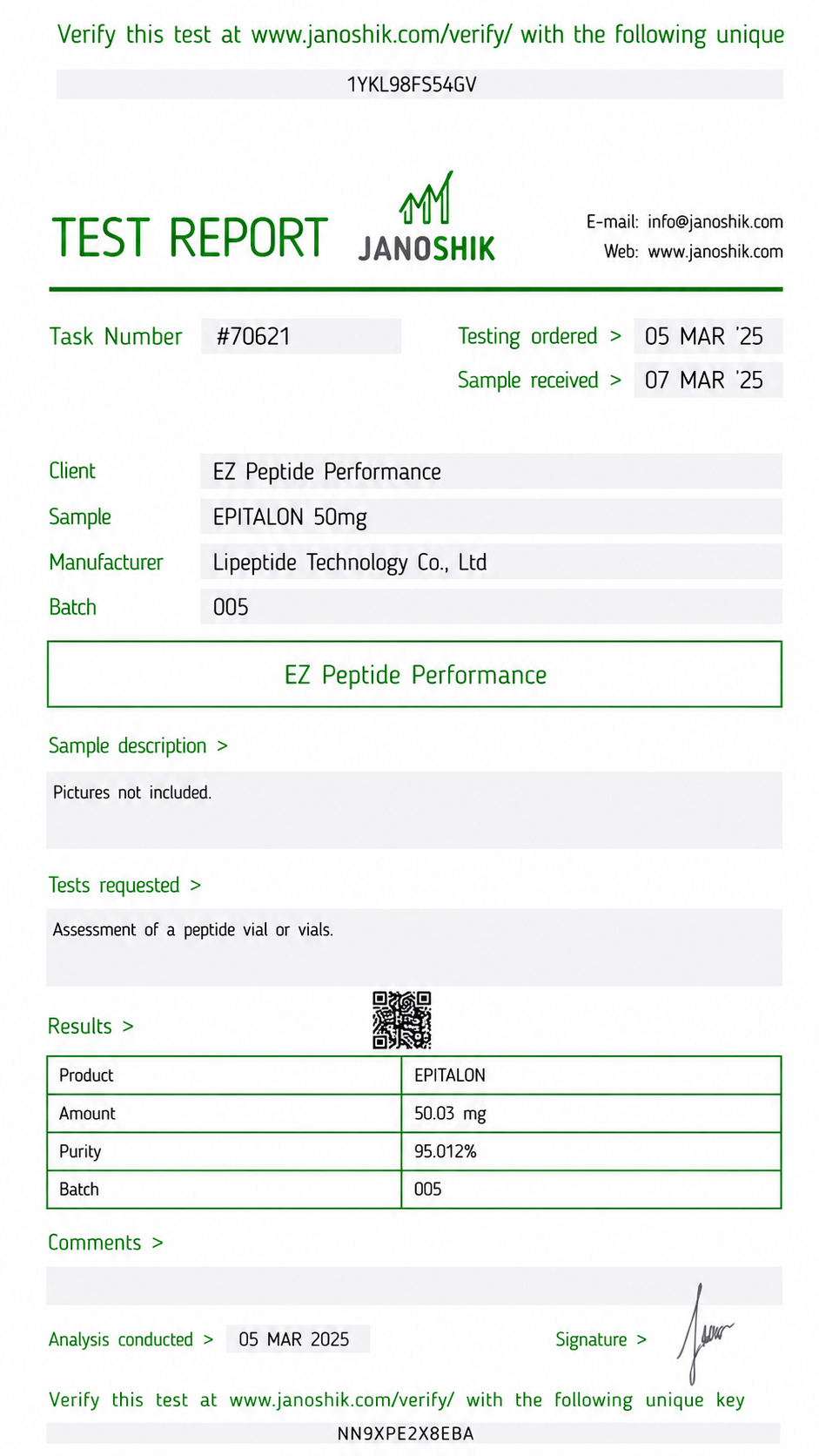
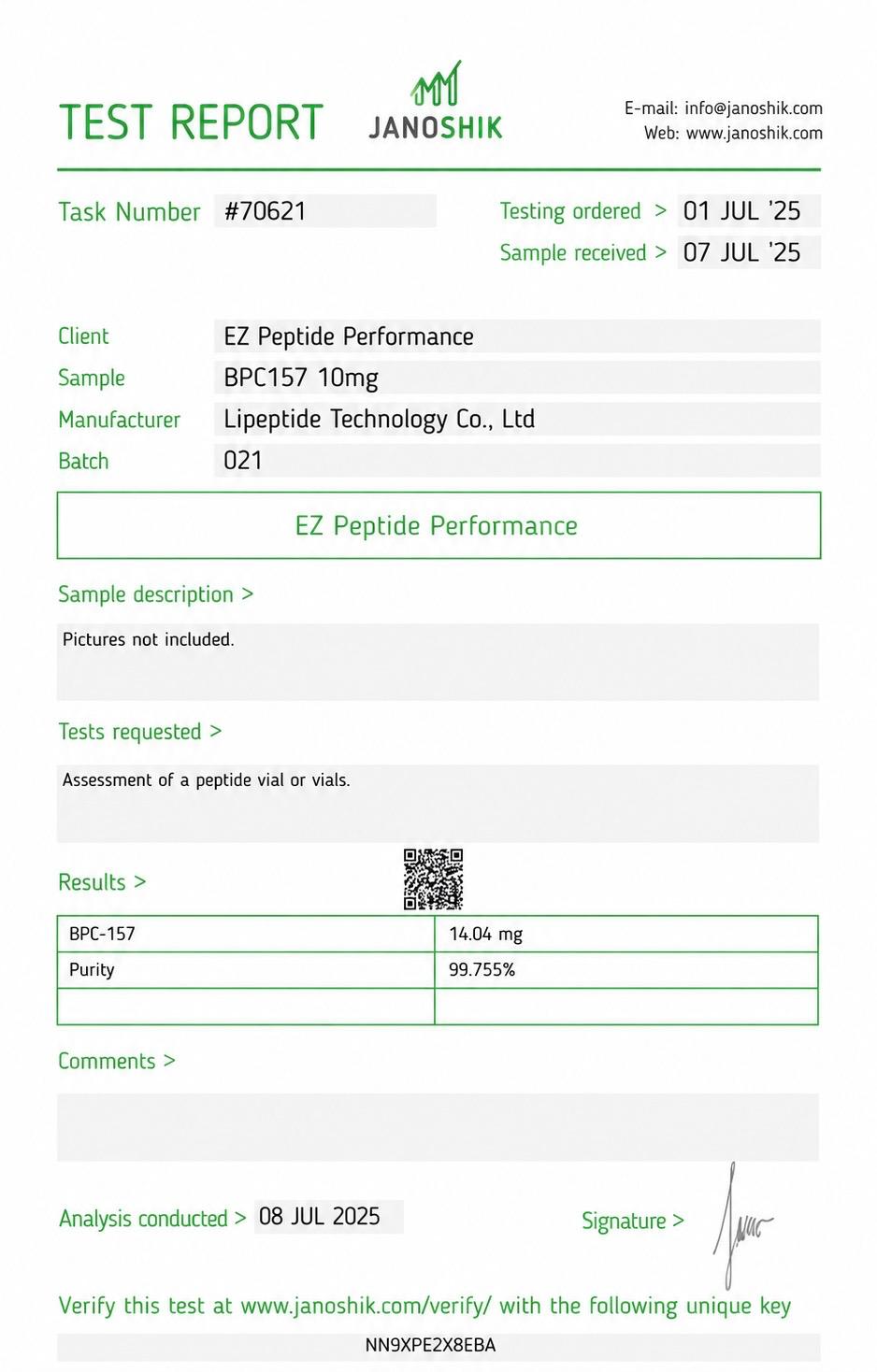
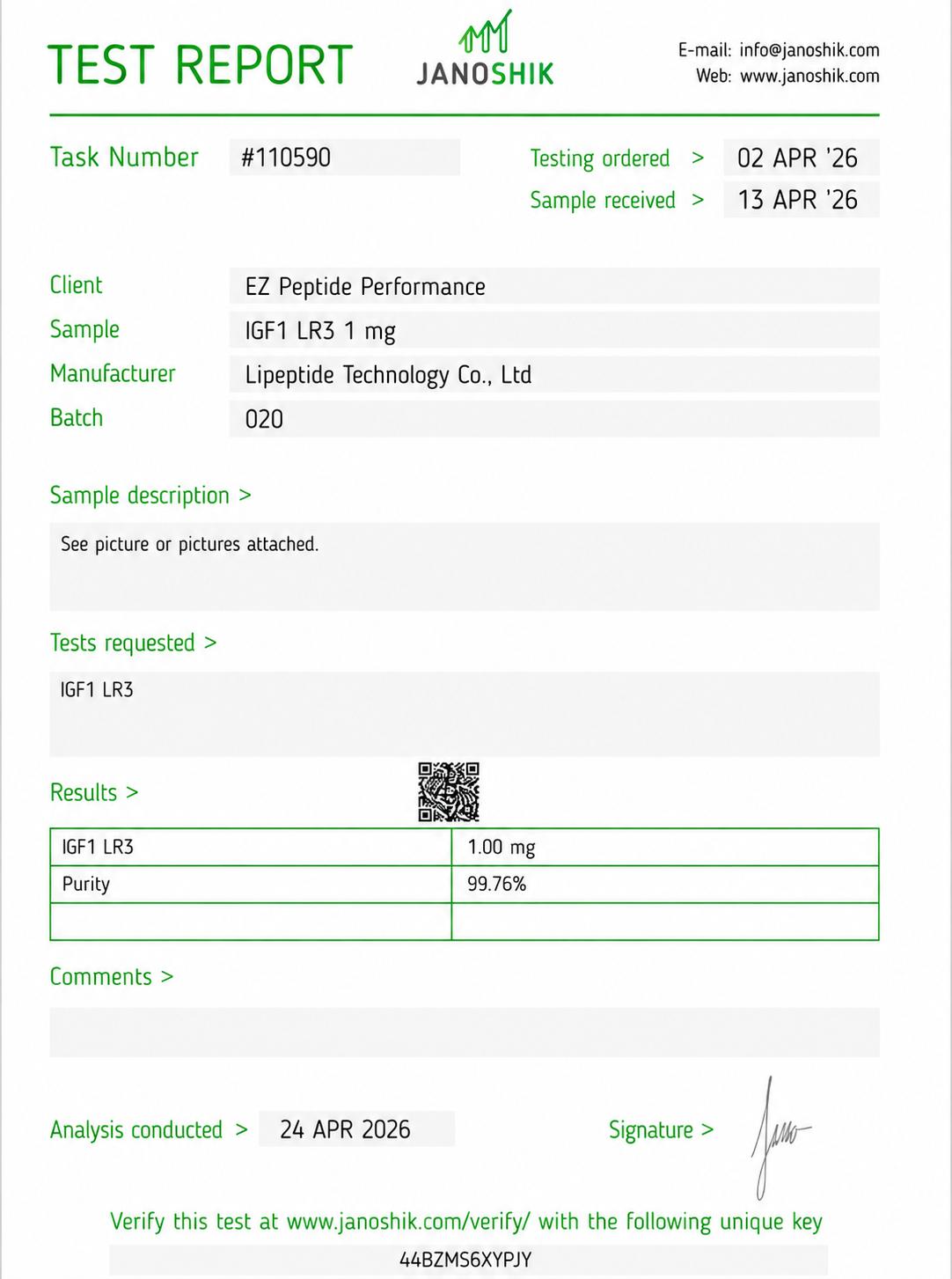
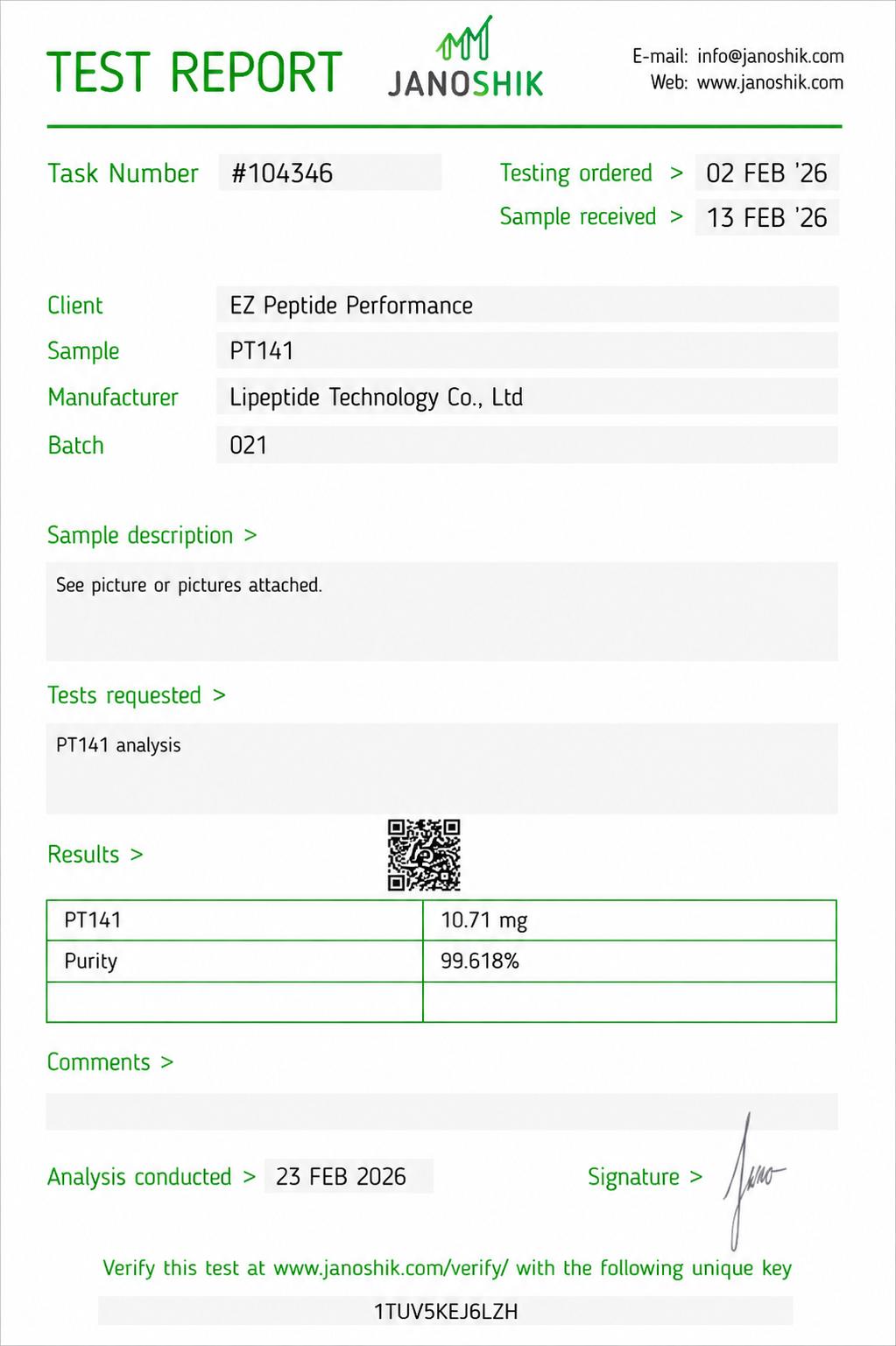
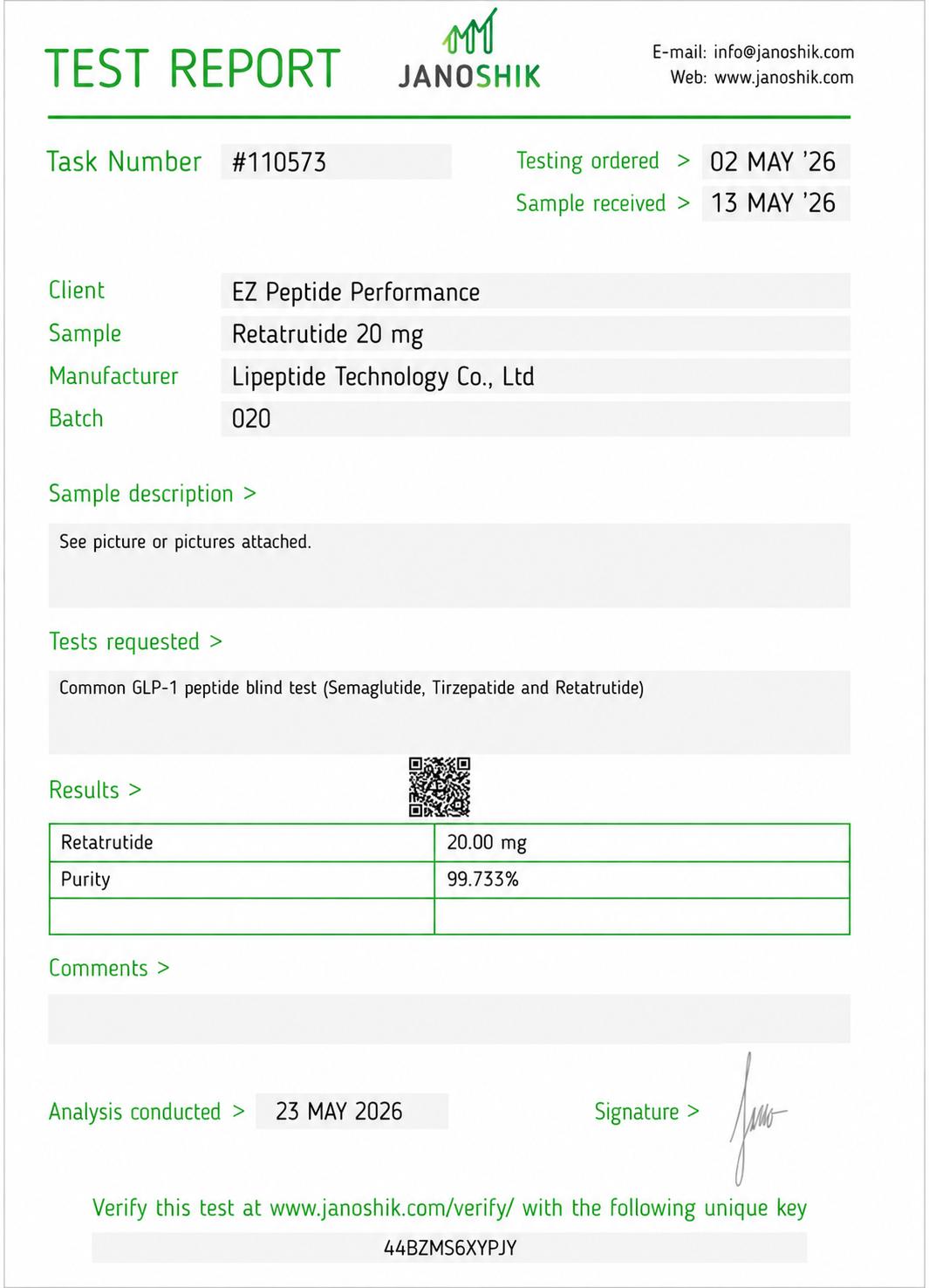
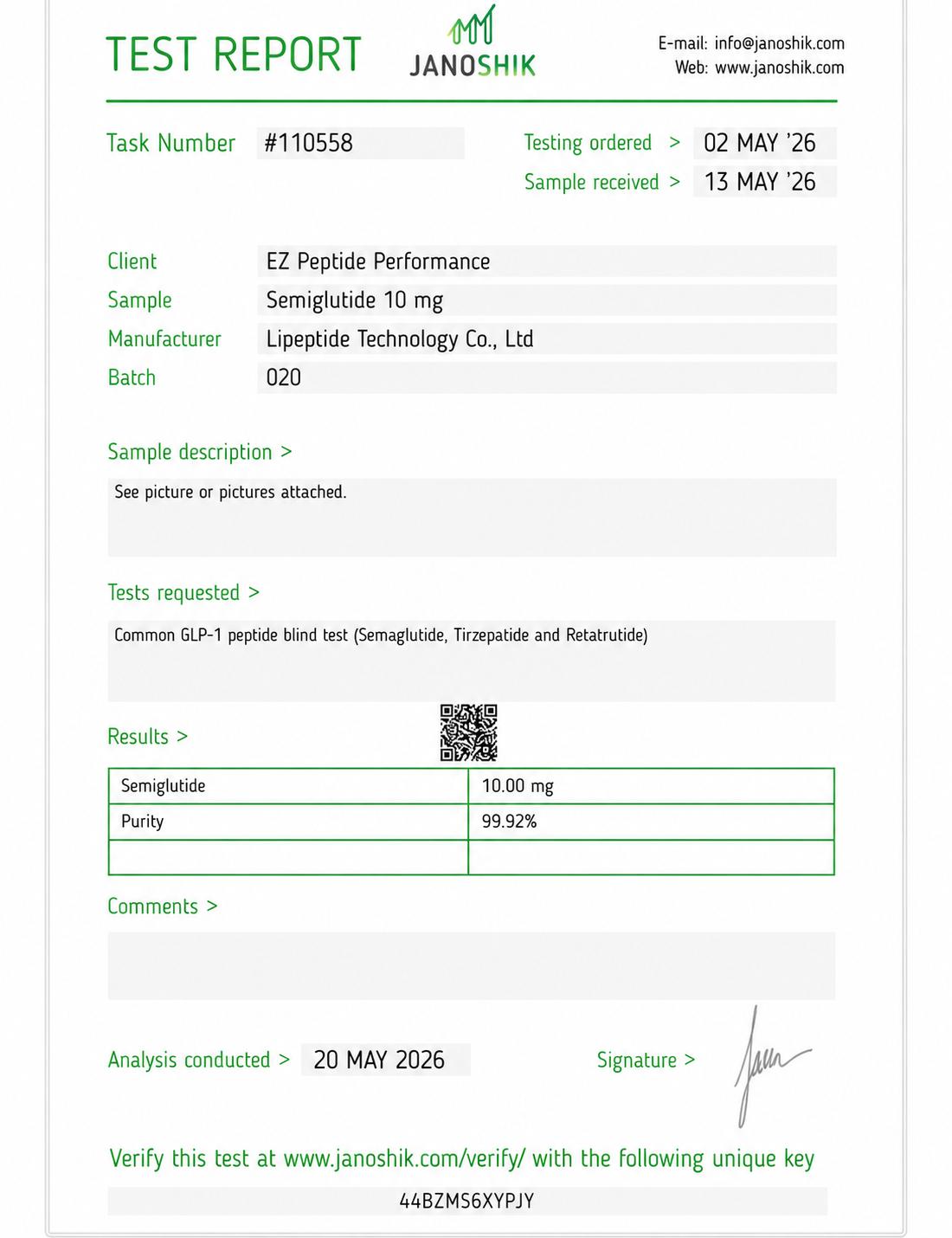
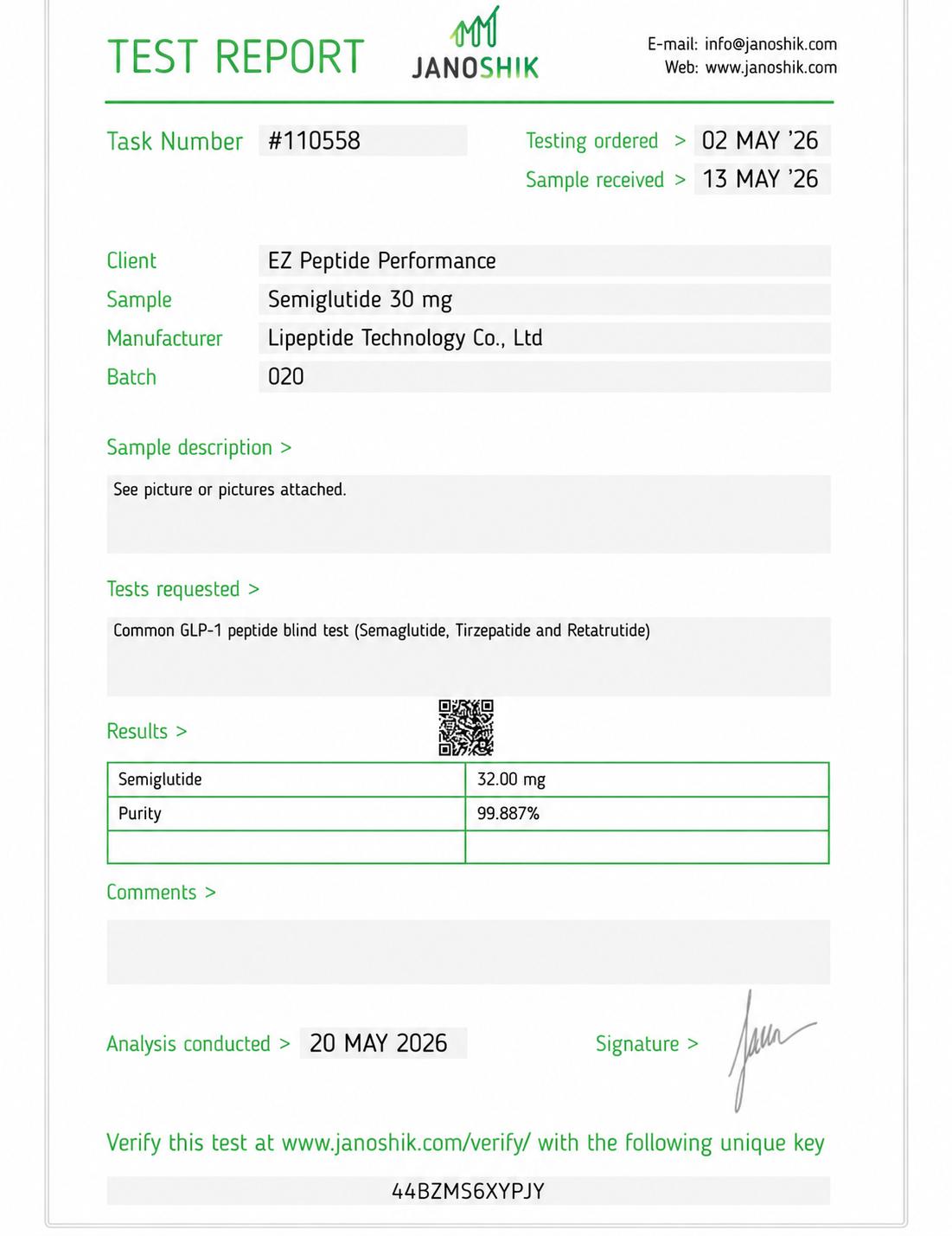
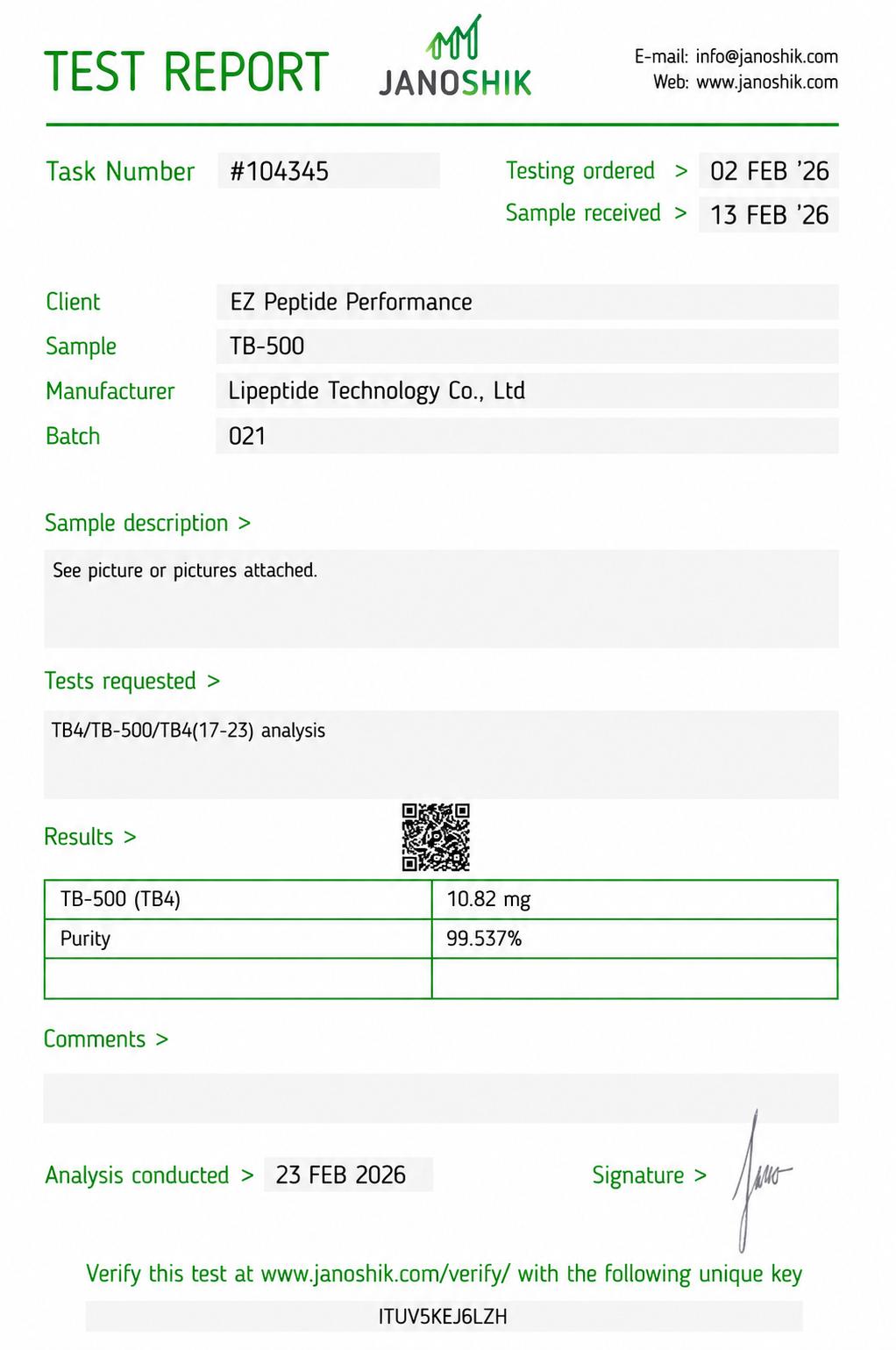
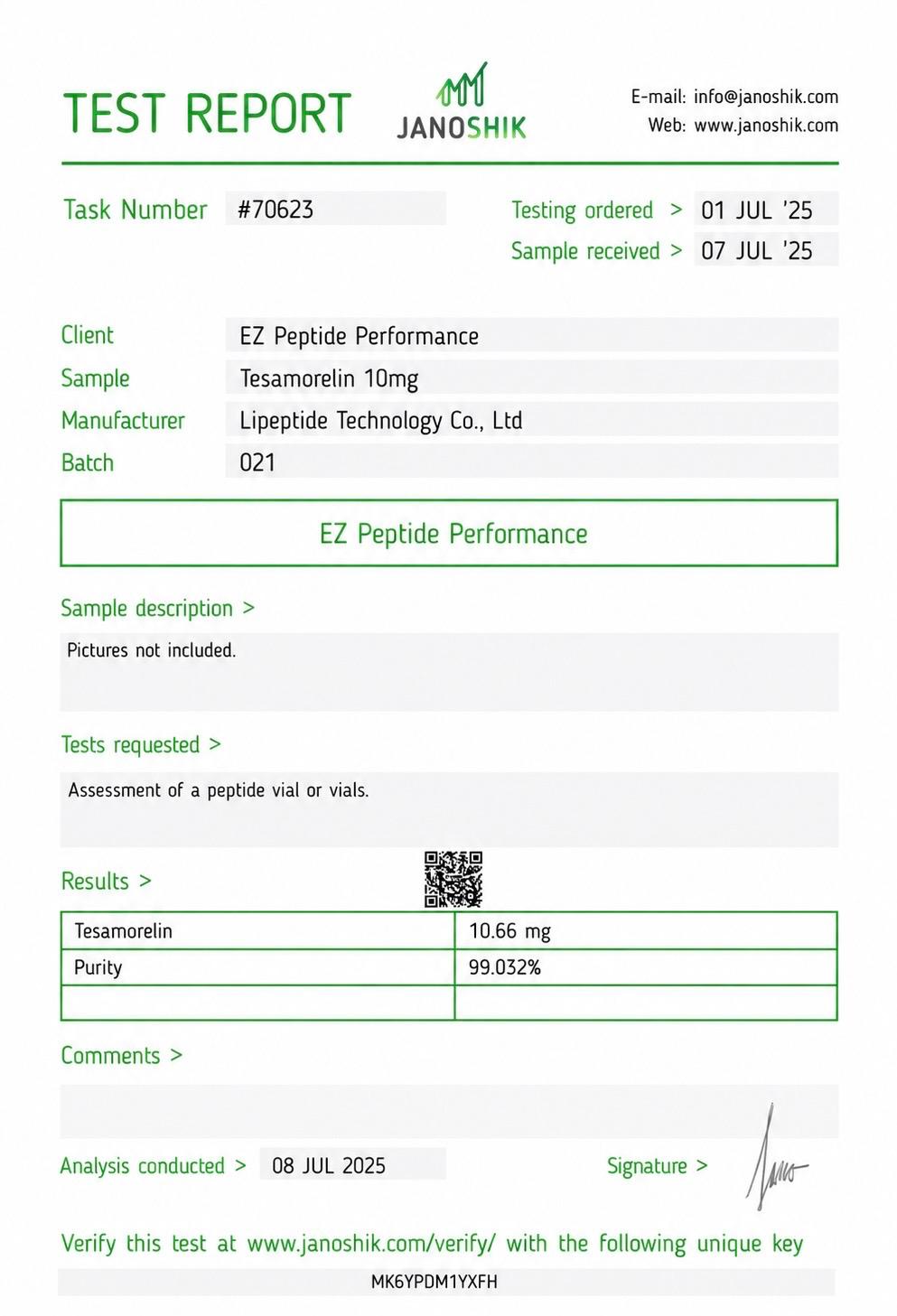
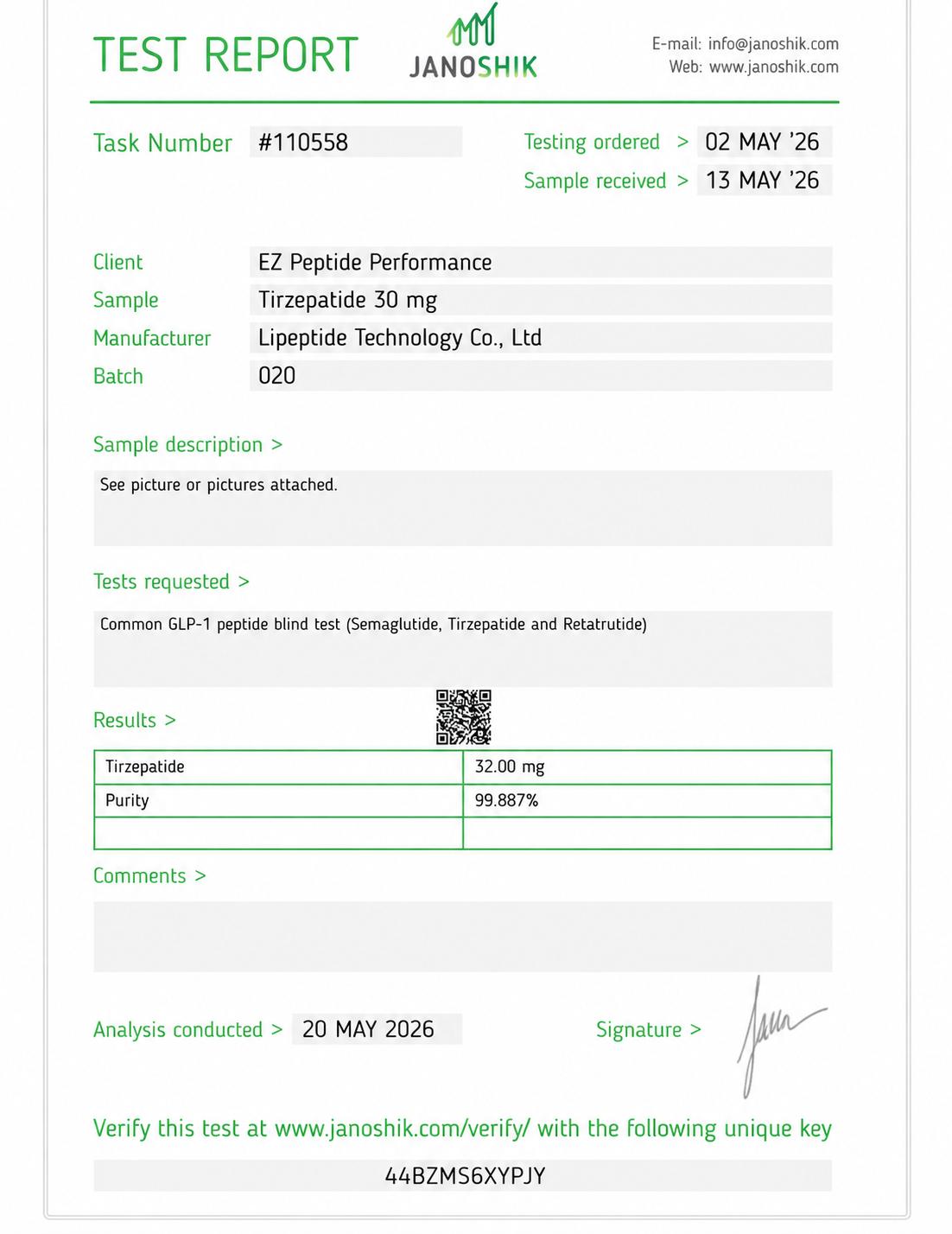
All vials are independently HPLC-tested and mass-spectrometry confirmed for sequence fidelity and 99%+ purity, with complete COA documentation available.
Molecular Formula: C₁₄H₂₂N₄O₉
Molecular Weight: 390.35 g/mol
Storage: Lyophilized at −20°C | Reconstitute under sterile conditions
For Research Use Only

Reviews
There are no reviews yet.